Why area rugs need different care than wall-to-wall carpet
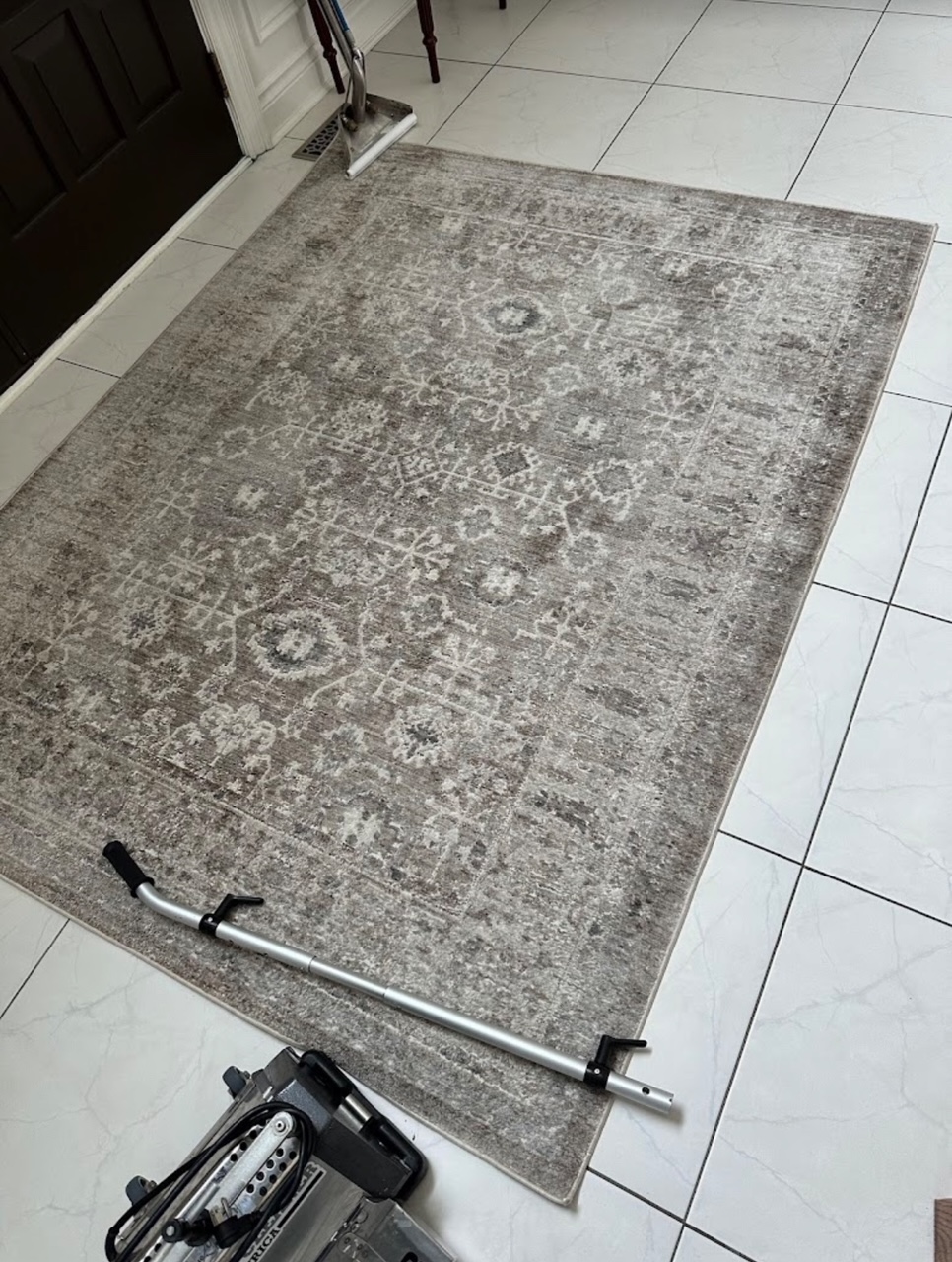
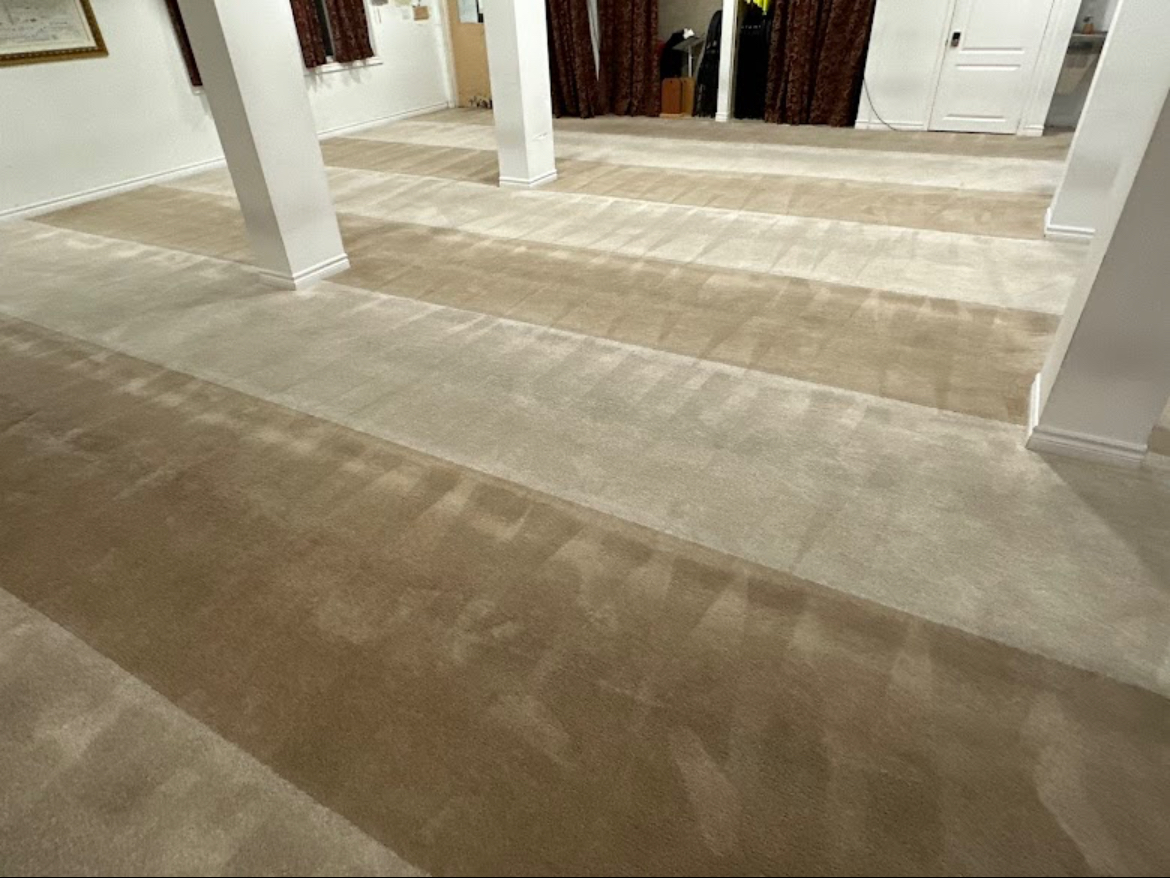
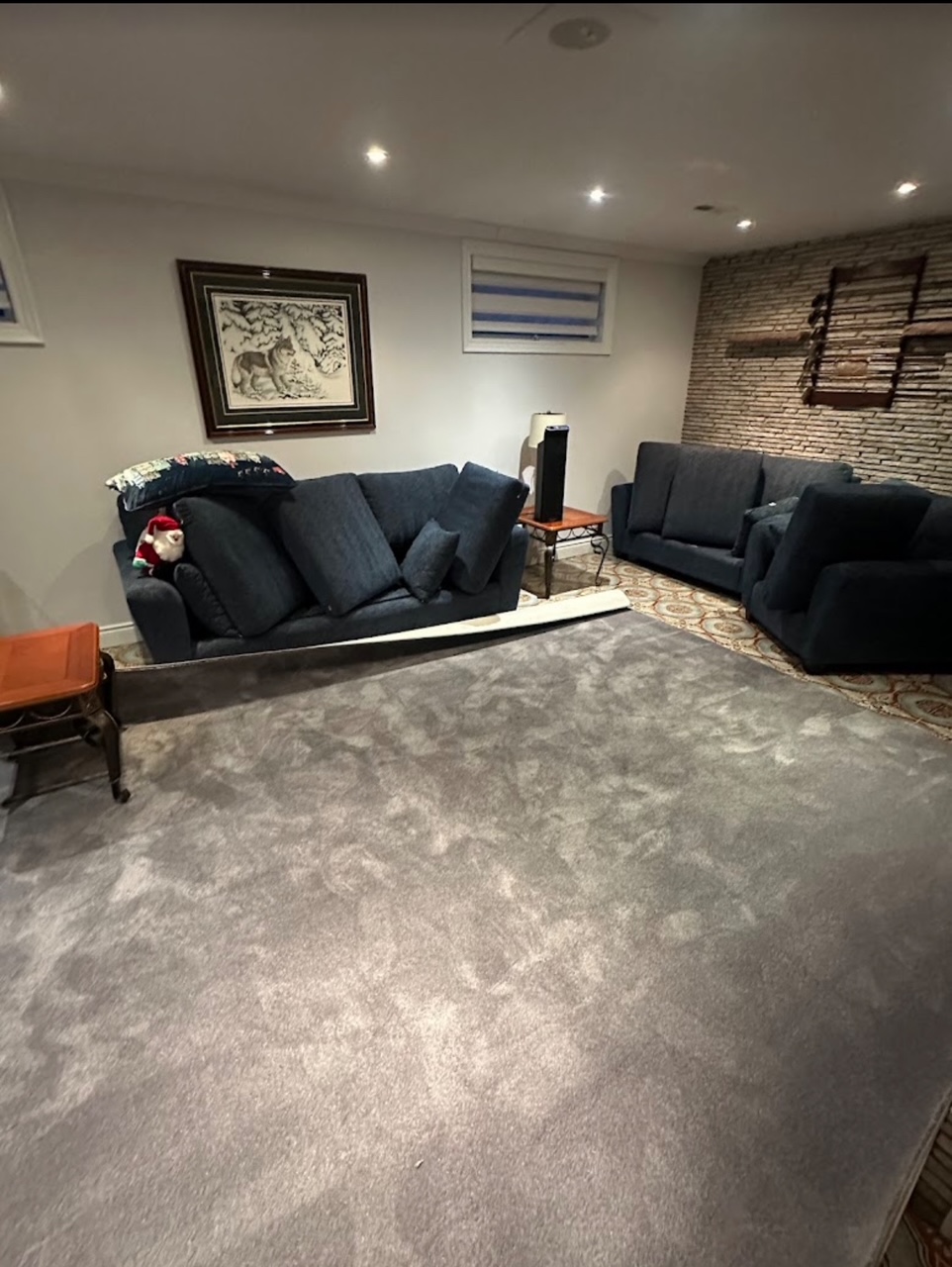
Wall-to-wall carpet sits glued or tacked to a sub-floor; the foundation is essentially synthetic and built to take a beating. Hand-knotted and woven area rugs are different, they have a cotton or wool foundation that can shrink, dye that can bleed, and a pile that fuzzes under aggressive agitation.
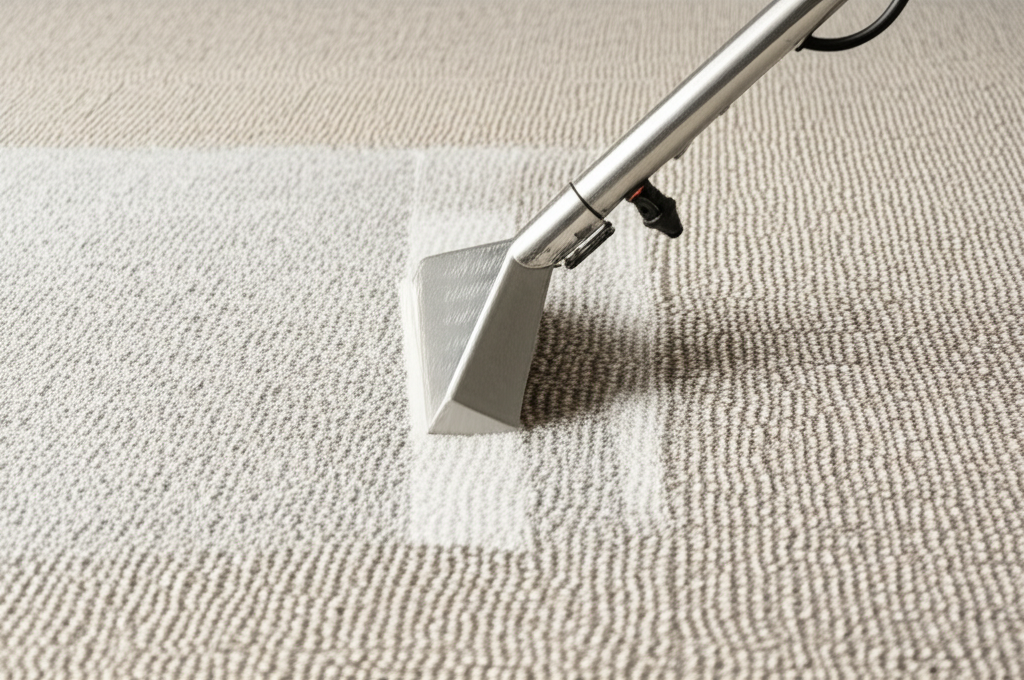
Cleaning a wool rug like a wall-to-wall carpet is one of the most common ways rugs are permanently damaged. Hot water extraction at carpet-cleaning pressure can felt wool, bleed dyes, and curl the foundation. The right method is gentler, but also more thorough, so you actually get the dirt out without trading the rug for it.
The truth about "fringe whitening" and other tricks
If a cleaner promises to bleach your fringe back to bright white, walk away. Fringe is the warp of the rug, it's structural cotton, often cream-coloured to start, and bleach destroys cellulose fibres over time. We clean fringe gently and let it sit at the colour the rug owner is willing to accept.
How often should rugs be cleaned?
Once a year for high-traffic rugs (entryways, dining rooms), every 2–3 years for low-traffic rugs (bedrooms, formal living rooms). If you have pets or allergies, lean toward the more frequent end. A good rug, properly cleaned, will outlive several wall-to-wall carpets.
What we do differently from other GTA rug cleaners
We don't dump every rug into the same machine. Each rug gets a fibre identification and a dye-stability test before we choose a method. Wool rugs get cool water and a wool-rated shampoo. Silk gets dry-cleaning solvents. Viscose gets the most conservative treatment we offer because it's prone to permanent water-spotting.
And the rug is in our hands the entire time, no off-site sub-contracting, no batch washing, no surprises when you pick it up.